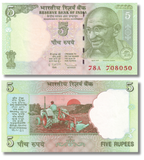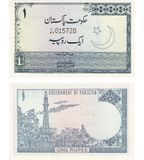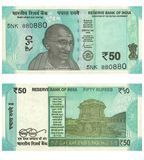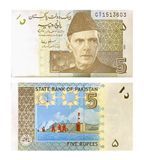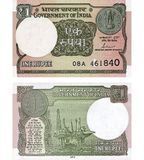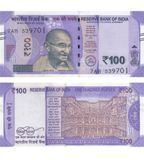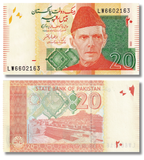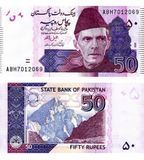

A myth still persists among collectors: if a banknote has staple holes, it can no longer be graded as UNC. In reality, everything depends on the origin of these holes, and grading companies have long established a clear stance on this issue.
Where Staple Holes Come From
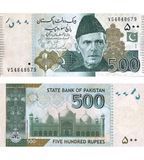
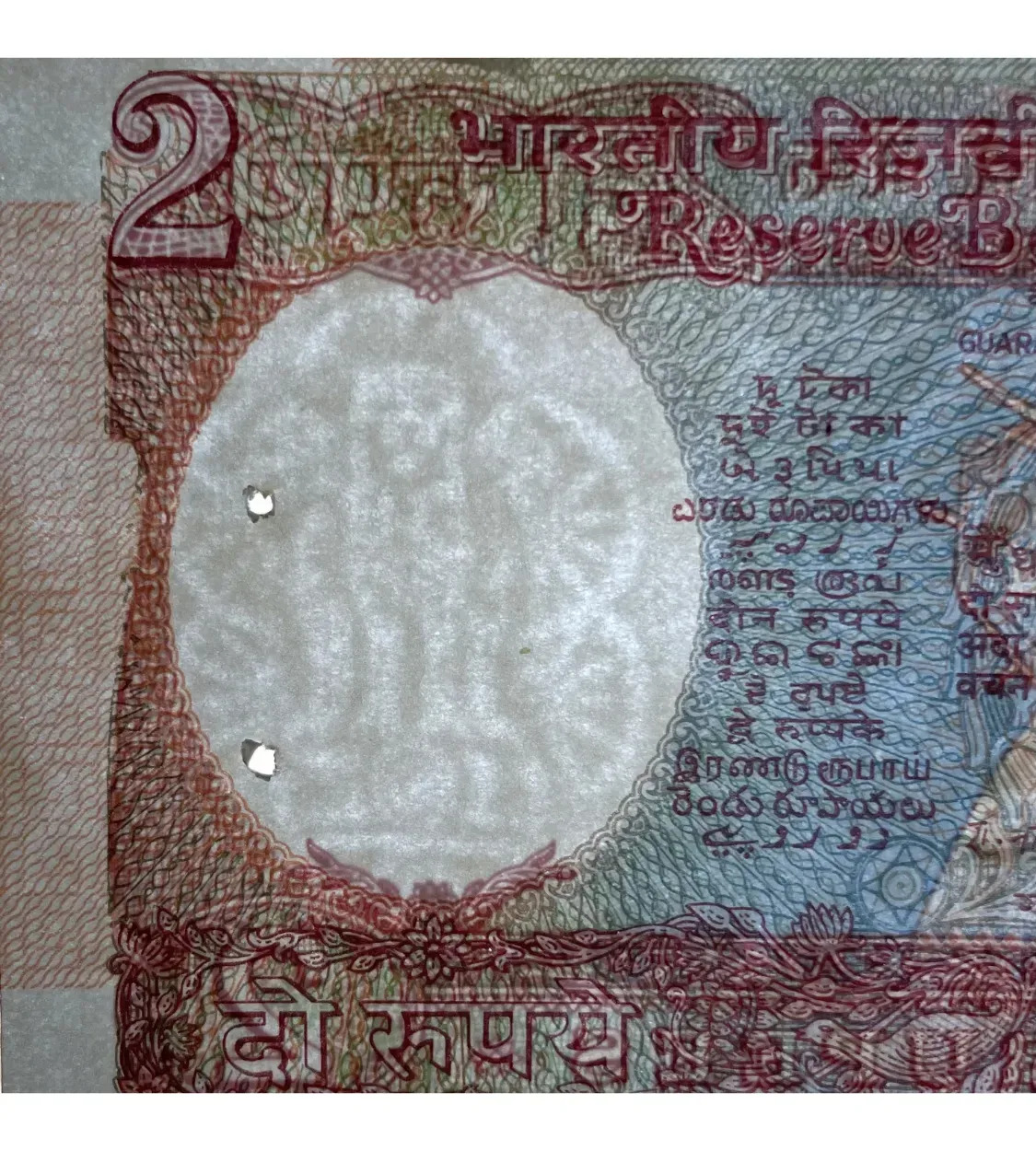
Most often, such holes are found on banknotes from India and Pakistan. This is the result of a banking practice that existed in these countries for decades: bank clerks stapled bundles of banknotes together to prevent them from scattering during storage and counting. Due to the huge volume of cash, this was a quick and convenient way to organize currency bundles — and millions of banknotes entered circulation already bearing two characteristic staple holes. Over time, it became clear that such punctures shorten the lifespan of banknotes, increase the risk of tears, and raise the cost of printing new currency. Therefore, in the mid-2000s, the Reserve Bank of India (RBI) banned banks from stapling banknotes and recommended using paper bands or special packaging tape instead. Key point: these holes appeared before the banknote entered circulation — meaning they are part of the issue history of the banknote, not a result of its subsequent use or damage by an owner.
What Grading Companies Say
This is not just the opinion of collectors — it is the documented position of the industry. The classic banknote grading standard explicitly requires that words like "pinholes," "staple holes," "trimmed," etc., must always be added to the note's description, while recognizing that certain countries routinely stapled their banknotes prior to release into circulation, so in such cases the description may include a note such as "usual staple holes." However, the most important wording states that the essence of this rule is that a note with defects should not have its overall grade lowered solely because of these defects — the description must always specify the particular defects, but this is not a reason to automatically lower the grade. In other words, the official industry approach is that staple holes at issue are an attribute of the issue, not a defect of condition, and they do not affect the technical numerical grade.
PMG in Practice: A Separate Standardized Comment
The leading grading company PMG (Paper Money Guaranty) uses a special standardized comment on its slabs — "Staple Holes at Issue." This comment accompanies notes that receive full, high UNC grades, including the prestigious EPQ (Exceptional Paper Quality) designation, which certifies original, unaltered paper without pressing, repair, or chemical cleaning. Examples of banknotes with this comment and completely "healthy" grades regularly appear on the market:
-
India, 10 Rupees 1962 (P-40b) — PMG 65 EPQ, with seller's note "Uncirculated. PMG 65 EPQ. Staple Holes at Issue"
-
Pakistan, 1 Rupee 1974 (P-24) — certified by PMG as UNC, with the comment "Staple Holes at Issue"
-
India, 100 Rupees (P-44, ND 1957-62) — PMG 63, with the note "Staple Holes at Issue"
-
Algeria, 5 Dinars 1964 (P-122a) — PMG 63, with the comment "Staple Holes"
-
Pakistan, 100 Rupees (P-18a) — sold with the note "usual staple holes, prefixes vary," directly referencing the standard formula from grading rules
Main Conclusion
If staple holes are the result of a standard issuing practice (as in the case of Indian and Pakistani banknotes), then this:
-
Does not lower the grade below UNC — grading companies like PMG officially assign such notes grades of 63–67 EPQ and higher;
-
Is necessarily noted in the description — as a "Staple Holes at Issue" attribute, not as a condition defect.
The situation is different if the holes are the result of later intervention (for example, if the banknote was stapled after release, during storage in a collection or archive). In that case, it is indeed considered damage and should lower the grade. The difference lies precisely in the origin of the holes, not in their mere presence.
Vitalii Cherniuk - CEO World Banknote Store