
New banknotes of Bangladesh: A symbol of revolution and cultural identity
On December 8, 2024, the government of Bangladesh and the Central Bank of Bangladesh announced a historic decision to issue new banknotes commemorating the July 2024 revolution. This revolution was a turning point in the country's history, as it led to the ouster of Prime Minister Sheikh Hasina and the establishment of a new political system.
The issuance of new banknotes is a symbolic act intended to reflect a new era in the country's life. In this article, we will look at the significance of this decision, the features of the future banknotes, and their potential impact on Bangladeshi society and culture.
Reasons for the banknote update
The July 2024 revolution was a massive popular uprising that marked the end of the era of Sheikh Hasina, who had been in power for more than 15 years. The main demands of the protesters were to democratize the governance system, fight corruption, and change the symbols associated with the ruling family.
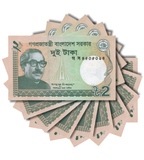
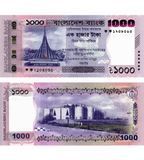
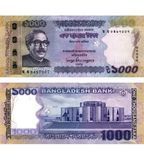
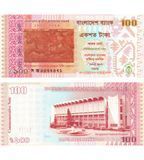
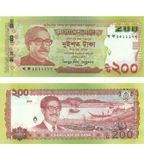
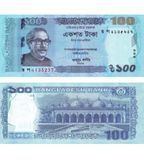
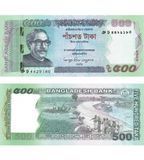
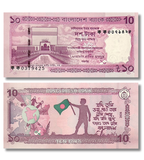
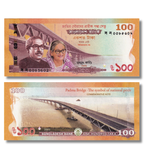
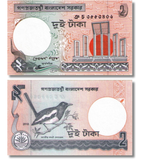
Until July 2024, all Bangladeshi banknotes contained the image of Sheikh Mujibur Rahman, known as the “father of the nation” and father of Sheikh Hasina. However, many citizens considered this to be an excessive politicization of banknotes. Therefore, the decision to change the design of the banknotes was an expected step to meet the public demand for a new identity.
What will change in the design of the banknotes?
Although the specific designs of the new banknotes have not yet been released at the time of writing, the government and Bangladesh Bank have already shared key details:
1. Abandonment of Sheikh Mujibur Rahman's portrait. His image, which was previously present on all banknotes, will be replaced with new symbols that are more neutral and culturally relevant.
2. Religious buildings. The new banknotes will feature images of the country's iconic religious monuments, such as mosques, temples and Buddhist stupas, symbolizing Bangladesh's multi-religious character.
3. Bengali traditions. The design will reflect elements of national culture such as dances, folk costumes, crafts and musical instruments.
4. Graffiti of the revolution. A separate innovation will be the use of graffiti created during the July Uprising. This is not only a commemoration of the revolution, but also a symbol of freedom of speech and creativity.
Banknote denominations and implementation schedule
The new banknotes will be introduced in two stages. In the first phase, in the first half of 2025, banknotes in denominations of 20, 100, 500 and 1000 taka will be issued. Later, in the second half of the year, they will be joined by 1, 2, 5, 10, 50, and 200 taka banknotes.
Such gradual steps are expected to ensure a stable transition to the new design, avoiding economic difficulties and logistical problems.
Symbolism and public reaction
The decision to change the design of banknotes has an important symbolic meaning. It reflects:
- A break with Sheikh Hasina's political legacy. The new design demonstrates the country's desire to move forward, shedding old political associations.
- Honoring the national spirit. The use of revolutionary graffiti as a design element shows respect for the participation of ordinary people in the creation of the country's new history.
- Cultural identity. Religious and cultural symbols emphasize the diversity and uniqueness of Bangladesh.
Despite the generally positive reception of this decision, there is some controversy in society. Sheikh Hasina's supporters see this as an attempt to erase her contribution to the country's development, while opponents see the changes as a long-awaited step towards decolonizing the symbols of power.
The economic aspect of implementation
Printing new banknotes is not only a political gesture, but also an important economic decision. The government and the Bangladesh Bank claim that the new banknotes will have improved anti-counterfeiting features, which will help to secure the financial system.
In addition, the updated design may attract the interest of collectors and tourists, potentially increasing revenues from foreign circulation.
Conclusion.
The issuance of Bangladesh's new banknotes is an important step in building a new national identity after the July 2024 revolution. This gesture not only meets the demands of the society, but also symbolizes the country's desire for change, democratization and honoring its cultural heritage.
Despite some criticism, most citizens see this decision as a hope for a brighter future, free from the pressures of the past. The new banknotes will become not only a means of payment, but also a mirror of Bangladesh's history and cultural pride.
Best regards, Vitaliy Cherniuk
IBNS 13299-R
CEO of World Banknote Store