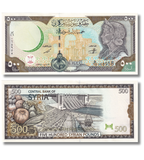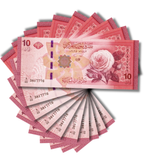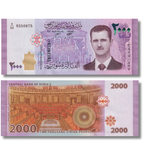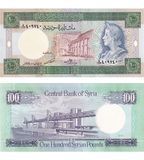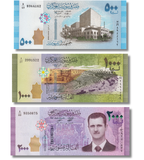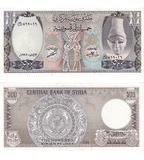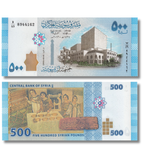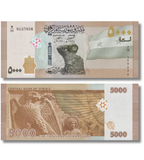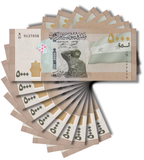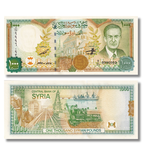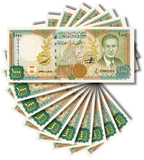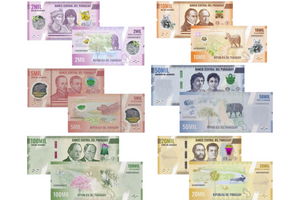

An official ceremony for the presentation of a new series of Syrian banknotes took place in Damascus. The President of Syria, Ahmad al-Sharaa, and the Governor of the Central Bank introduced the updated currency, which is entering circulation. This reform symbolizes a break with the previous regime and aims to simplify transactions and restore confidence in the Syrian pound.
Denominations and Design
The new series includes six denominations: 10, 25, 50, 100, 200, and 500 Syrian pounds. Unlike previous issues, the new banknotes do not feature portraits of people. Instead, they depict elements of Syria's nature and agriculture: Damascus rose, mulberry, oranges, wheat, cotton, olives, as well as an Arabian horse, gazelle, sparrow, butterfly, and seashells. The design emphasizes neutrality and the country's natural wealth.
Denomination and Exchange
A key change is the removal of two zeros: 100 old pounds equal 1 new pound. For example, the highest denomination of 500 new pounds is equivalent to 50,000 old ones. The exchange began at banks and exchange offices throughout Syria. Old and new banknotes circulate in parallel during a transitional period.
Official Statements
During the ceremony, Ahmad al-Sharaa stated that the launch of the new currency marks the end of a previous era and the beginning of a new path for the Syrian people. The Governor of the Central Bank emphasized that the reform is a step toward stability and a symbol of financial sovereignty.
Production and Security Features
The banknotes are printed with modern security features to prevent counterfeiting. The new notes are more durable and compact, making them easier for daily use.
Economic Context
The reform aims to restore trust following a long period of currency devaluation. The new banknotes are designated as the currency of the "Syrian Arab Republic" and circulate nationwide. This currency reform is part of a broader renewal, symbolizing hope for stability.
Vitalii Cherniuk (IBNS 13299-R) - CEO World Banknote Store